

If your home never gets comfortable in summer, the issue may be air conditioner size, not the thermostat. A central air conditioner with too little cooling capacity runs for hours. One that’s too big cools fast, then shuts off before it can properly dehumidify the air.
If you need help now in Fresno, Clovis, Bakersfield, Visalia, or Paso Robles, Call Now. Before you replace anything, it helps to know how AC sizing works to find the proper air conditioner size for optimal energy efficiency and why square footage is only the first step.
Key Takeaways
- Square footage provides a rough starting point (multiply by 20 BTUs per sq ft, divide by 12,000 for tons), but air conditioner size must adjust for insulation, sun exposure, ceiling height, ducts, and hot California climates like Fresno and Bakersfield.
- An undersized AC runs constantly without even cooling; an oversized one short-cycles, fails to dehumidify, wastes energy, and causes high bills or damp air.
- Don’t copy the old unit’s size—homes change with insulation, windows, or additions; get a professional Manual J load calculation for the right fit.
- Proper sizing ensures steady runtime for dehumidification, better efficiency, even comfort, and longer HVAC life with lower costs.
Start with square footage, BTUs, and tons
Most homes start with a simple math rule. Multiply square footage by about 20 BTUs (British Thermal Units). Then convert BTUs into tonnage, since 12,000 BTUs equals 1 ton of cooling. This is why a 2,000-square-foot home often lands near 3 to 3.5 tons for a standard split system, before any adjustments.
Hot inland California homes in tough climate zones often need more. Fresno and Bakersfield summers put extra stress on AC equipment, and older homes can lose cooled air fast. A quick air conditioner size chart gives a useful starting point for unit size, but it can’t see your attic, ducts, or window exposure.
These estimates work as a rough guide:
| Home size | Estimated BTUs | Approx. tonnage |
|---|---|---|
| 600 to 1,000 sq ft | 18,000 | 1.5 tons |
| 1,000 to 1,400 sq ft | 24,000 | 2 tons |
| 1,400 to 1,800 sq ft | 30,000 | 2.5 tons |
| 1,800 to 2,200 sq ft | 36,000 | 3 tons |
| 2,200 to 2,600 sq ft | 42,000 to 48,000 | 3.5 to 4 tons |
The takeaway is simple: square footage gets you close, not exact. If you’re between sizes, don’t guess. A calculator can help, such as this AC size calculator, but a load calculation is better before you buy anything.
Don’t size a replacement by copying the old nameplate. Many homes got oversized units years ago. If insulation, windows, or shade changed since then, the old system may be the wrong benchmark.
What changes your air conditioner size in the real world
Why does one 1,800-square-foot house need 2.5 tons while another needs 3? Because heat enters each home differently. Your windows, attic insulation, shade, layout, and duct design all change the load.
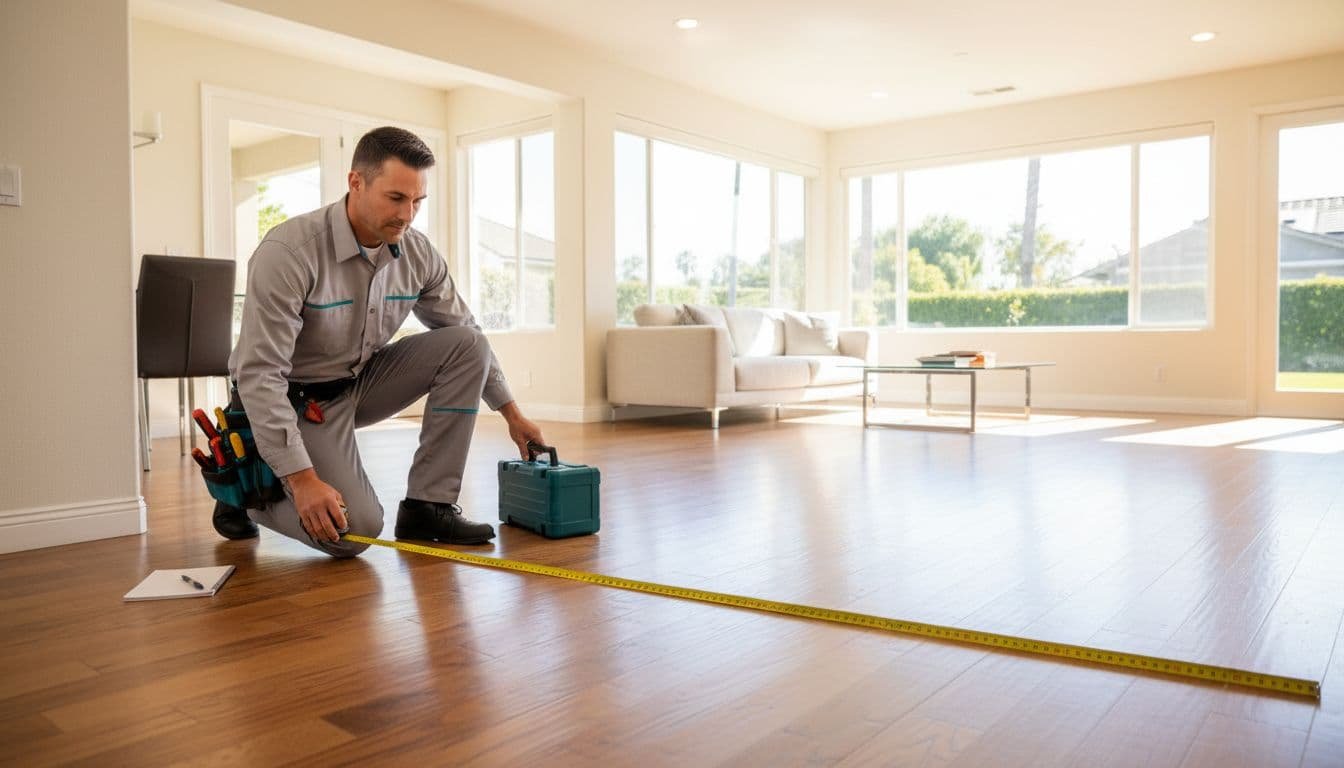
Insulation matters all year. Measured by R-value, it slows summer heat gain and reduces the cooling load while helping hold indoor air where it belongs. If your attic is under-insulated or your windows leak, your air conditioning system works harder through the hottest part of the day. Rooms over garages often feel this first.
Ceiling height changes the math too. A 1,600-square-foot house with vaulted ceilings holds more warm air than a flat 8-foot layout. Kitchens also raise cooling demand because ovens, people, and appliances add heat.
Sun exposure matters too. West-facing glass collects harsh afternoon sun, while mature trees can lower the load. A crowded family room or a busy kitchen may need more cooling than a guest room of the same size.
Duct losses matter as well. If cooled air leaks into the attic, a larger unit won’t fix the root problem. The same blower, air handler, and ductwork affect heating too, especially with a heat pump, so year-round comfort depends on the whole hvac system, not only the condenser outside.
An online BTU calculator for whole-home estimates can help you compare unit size numbers before you talk with a pro. Still, these tools are starting points. They don’t measure duct leakage, insulation gaps, or how much west sun your living room gets.
Bigger isn’t better. A right-sized AC should run long enough to cool and dehumidify evenly.
Signs your system is too small or too large
An undersized unit usually shows clear signs. It runs for long stretches, struggles in late afternoon, and leaves warm rooms at the end of the duct line. Bills rise because the system rarely gets a break.
An oversized unit has a different problem. It cools the thermostat fast, then shuts off. That short-cycle wastes power and leads to high energy bills. It often leaves the home damp or clammy. You may notice uneven temperatures, noisy starts, and more wear on parts.
Still, sizing isn’t always the only issue. Dirty coils, low refrigerant, a weak capacitor, or poor airflow can look like a sizing problem. Regular maintenance and an HVAC professional visit often fix the comfort problem without replacing the system.
If breakers trip or wiring looks unsafe, an electrician should check the circuit before a new unit goes in. Matching the equipment to the home’s electrical setup is part of a safe installation.
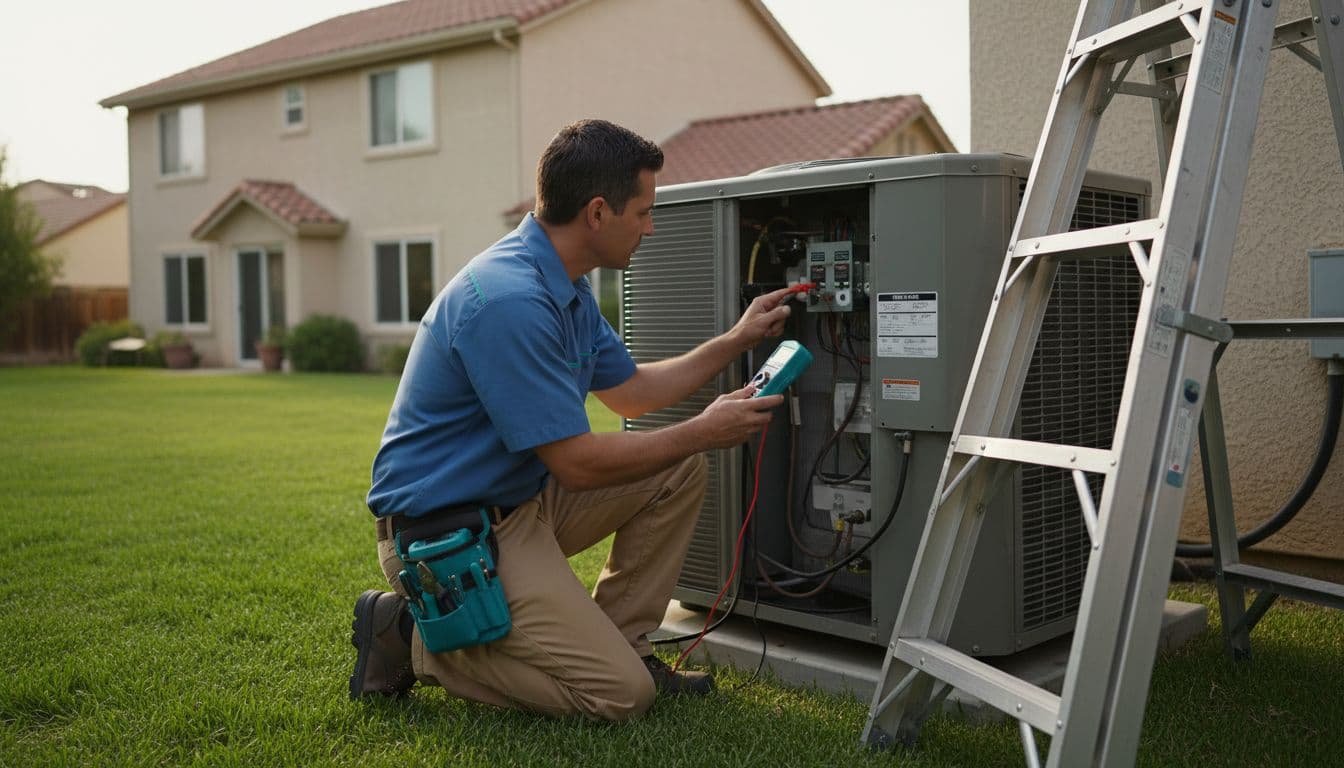
Additions complicate the picture. A new bedroom, enclosed patio, or garage conversion changes airflow and may require duct changes or a separate zone. For small spaces, consider a ductless system or window air conditioner. That is why system sizing should happen before installation day, not after.
When you’re replacing equipment, adding square footage, or changing windows, ask for a Manual J calculation. A good contractor will measure the home, inspect ducts, perform a residential load calculation, and match the indoor and outdoor equipment while considering the SEER2 rating. That’s smart for hvac services in Fresno, ac repair in Bakersfield, air conditioning upgrades in Clovis, heating work in Visalia, or an electrician review in Paso Robles.
If you want a pro to size the system before you buy, Schedule Now.
Frequently Asked Questions
How do I roughly calculate air conditioner size?
Multiply your home’s square footage by 20 BTUs, then divide by 12,000 to get tonnage (e.g., 2,000 sq ft ≈ 3-3.5 tons). Hot inland areas like Fresno often need more due to climate stress. Use a chart or online calculator as a starting point, but pros refine it.
What real-world factors change AC sizing?
Insulation (R-value), west-facing windows, high ceilings, kitchen heat, duct leaks, and sun exposure all raise the cooling load. Poor attic insulation or additions like garages increase demand. Layout and shade from trees can lower it.
What are signs my AC is the wrong size?
Too small: runs non-stop, struggles afternoons, warm distant rooms, high bills. Too large: short-cycles, humid/clammy air, uneven temps, noisy starts. Maintenance issues can mimic this, so check coils and refrigerant first.
Should I match the old AC unit’s tonnage?
No—older installs were often oversized, and changes like better windows reduce needs. Base on current load via Manual J calculation, inspecting ducts and electrical. This ensures efficiency for your home today.
Why hire a pro for AC sizing?
They perform Manual J load calculations measuring insulation, ducts, exposure, and climate for exact fit. Avoids short-cycling or struggling in Central CA summers. Schedule in Fresno, Clovis, or nearby for safe, efficient installs.
The right size is the one that fits your house
The best air conditioner size matches your home’s real cooling load, not a guess based on the old unit. Square footage starts the job, but insulation, windows, ducts, and climate finish it.
Get the air conditioner size right, and your home should feel steadier all summer. The proper unit size and cooling capacity ensure long-term energy efficiency while positively affecting the entire HVAC system’s longevity, which reduces strain for better comfort and lower costs over time.
